
Remember when starting an online business meant dealing with inventory, shipping headaches, and upfront costs that made your wallet weep? Yeah, those days are pretty much over. The digital printables market has absolutely exploded, and kids’ digital printables are leading the charge.
Parents are spending more time than ever searching for educational resources, creative activities, and organizational tools for their children. And here’s the key point: they’re willing to pay for high-quality digital downloads that make their lives easier.
According to recent market research, the global educational printables market is experiencing steady growth, with parents increasingly turning to digital solutions for learning and entertainment. Etsy alone has millions of digital product listings, and sellers in the printables niche earn anywhere from a few hundred to several thousand dollars per month.
The beauty of digital printables? You create them once, and they can sell indefinitely. No restocking, no shipping delays, no inventory gathering dust in your garage, just pure, scalable passive income potential.
But here’s the thing: not all printables are created equal. Some fly off the virtual shelves while others barely get a second glance. If you’re considering entering this market or already dipping your toes in, you need to know which products have staying power and profit potential.
That’s exactly what we’re covering today. I’ve rounded up 17 of the most profitable kids’ digital printables that are proven sellers in today’s market.
Disclaimer: This post contains affiliate links, meaning if you sign up through my link, I may get compensated at no extra cost. For full disclosure, read here.
If you want to earn instant money online, check out these:
Survey Junkie: It is the best survey site that provides high-paying surveys. This survey site has a 4⭐rating on Trustpilot. Sign up with Survey Junkie and start making money.
Swagbucks: Swagbucks is one of the oldest sites where you can earn points and get paid for doing surveys, shopping, and watching videos. The minimum redemption threshold is $5.
Pinecone Research: Earn money through surveys with Pinecone Research. Sign up now with Pinecone Research to earn extra cash in your spare time.
Inbox Dollars: Inbox dollars is a survey site that will pay $5 for just signing up. Sign up now with Inbox Dollars and grab your $5 sign-up bonus.
Kids’ Digital Printables to Sell Online for Profits
1. Alphabet & Phonics Worksheets
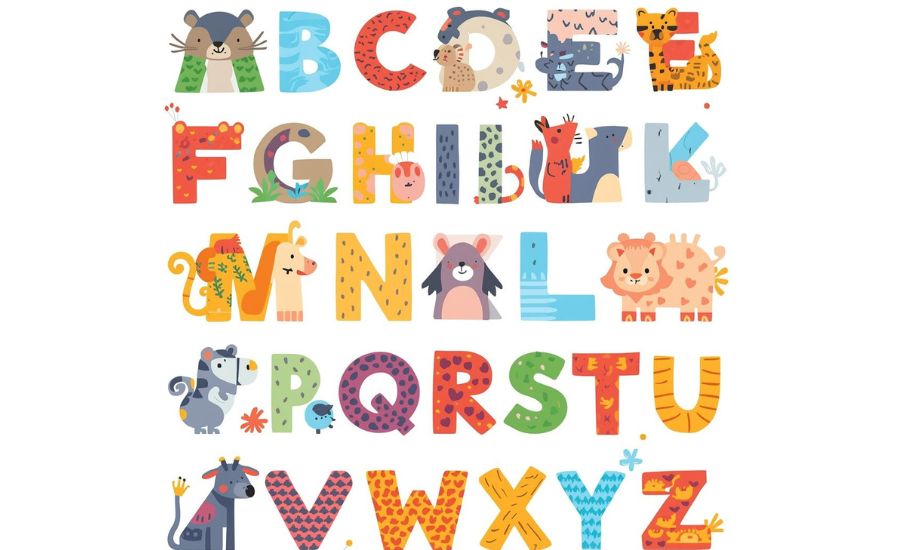
If there’s one thing that never goes out of style, it’s teaching kids their ABCs. Alphabet and phonics worksheets are the bread and butter of the kids’ printables world, and for good reason.
Parents and teachers are constantly seeking fresh, engaging ways to help young children master letter recognition, letter sounds, and early reading skills.
Tracing worksheets help kids develop fine motor skills while learning letter formation. Matching activities connect uppercase and lowercase letters or pair letters with objects that begin with the corresponding sound.
And coloring pages? They’re the perfect combo of fun and learning that keeps kids engaged without feeling like “work.”
Why it’s profitable: Early literacy is a top priority for parents, and they’re willing to invest in quality resources. These worksheets have evergreen demand since new parents are entering this stage constantly, and teachers stock up on them for classroom use.
Target age: 3-6 years
Potential earnings: $1,500 – $6,000+ monthly
2. Math Worksheets for Kids
Math worksheets are absolute workhorses in the digital printables space. Teachers need them for classroom practice, parents want them for homework help, and homeschoolers rely on them for structured learning.
What’s excellent about math printables is how you can target different skill levels and topics. For the younger crowd, simple counting, number recognition, and basic addition and subtraction fly off the shelves. As kids get older, multiplication tables, division practice, fractions, and word problems become the hot sellers. Each grade level has its own set of must-master concepts, which means you’ve got built-in market segmentation.
The real money-maker here is bundling. Instead of selling individual worksheets, create grade-specific bundles or skill-focused packs. A “Complete 2nd Grade Math Practice Bundle” or “Multiplication Mastery Pack” commands a higher price point and provides more value to buyers.
Why it’s profitable: Math is a core subject with year-round demand. Parents actively seek extra practice materials, especially when their kids struggle with specific concepts. Teachers buy in bulk for their entire classrooms, which can lead to repeat business and larger orders.
Target age: 5-12 years
Potential earnings: $2,000 – $7,000+ monthly
3. Coloring Pages for Kids
Never underestimate the power of a good coloring page. While they might seem basic, coloring pages are among the most downloaded printables for kids, and they sell like hotcakes year-round.
Here’s a surprising truth: simple designs often outperform intricate, detailed ones. Why? Because younger kids get frustrated with tiny spaces and complex patterns, and parents know this. They’re looking for age-appropriate designs that their 4-year-old can actually complete without a meltdown.
Seasonal and themed coloring pages are where you can really capitalize on trends. Halloween monsters, Christmas trees, Easter bunnies, back-to-school themes, dinosaurs, unicorns, space adventures, the list goes on. Parents appreciate themed activities that match holidays, seasons, or their child’s current interests.
But there’s another angle that’s pure gold, screen-free activities. In our device-saturated world, parents are desperately seeking ways to get kids off tablets and phones. Coloring pages are the perfect solution that give kids something to do during car rides, restaurant waits, or rainy afternoons.
Why it’s profitable: Low barrier to entry, endless theme possibilities, and consistent demand from parents seeking offline entertainment, they’re also easy to create in batches, letting you build a substantial catalog quickly.
Target age: 2-10 years
Potential earnings: $1,000 – $4,000+ monthly
16 Digital Products You Can Create to Get Paid: $5200 Per Month
4. Preschool Learning Packs
If you want to boost your average order value overnight, start creating preschool learning packs. These all-in-one bundles are exactly what busy parents are searching for, and they’re willing to pay premium prices for them.
Think about it from a parent’s perspective: they could spend time hunting down individual worksheets for letters, numbers, shapes, and colors across multiple shops, or they could buy one comprehensive pack that covers everything their preschooler needs. Nine times out of ten, they’re going with the bundle. It’s convenient, it’s complete, and it feels like a better value.
Start with the essentials: alphabet tracing and recognition, number counting and writing practice, basic shapes, color identification, simple cutting practice, pre-writing lines and patterns, and maybe some fun activities like matching games or simple puzzles. Add 50-100 pages of varied activities, and you’ve got a product parents will happily pay $15-25 for.
Here’s the key point about bundles: they significantly increase your order value compared to selling individual sheets. Instead of making $3 on a single worksheet pack, you’re making $20+ on a comprehensive bundle. Plus, buyers feel like they’re getting a deal because the per-page cost is lower, even though your total profit is much higher.
Why it’s profitable: Higher price points, perceived value is through the roof, and parents love one-stop shopping. These packs also make great gifts, which means grandparents and relatives jump on them, too.
Target age: 3-5 years
Potential earnings: $2,500 – $8,000+ monthly
5. Homeschool Planners & Trackers
The homeschool market has grown rapidly in recent years and shows no signs of slowing. Millions of families are now educating their kids at home, and they need tools to stay organized and track progress. That’s where homeschool planners and trackers come in.
Homeschooling parents are constantly juggling multiple subjects, different grade levels if they have more than one child, lesson planning, attendance records, and grade tracking. It’s a lot to manage, which is why they actively seek out organizational printables that make their lives easier.
You can approach this market from multiple angles. Daily planners help parents map out each day’s lessons and activities. Weekly spreads give them a bird’s-eye view of the upcoming school week. And yearly planners or calendars help them plan out entire curricula, track holidays, and schedule field trips.
Here’s what makes this category especially lucrative: organization printables are repeat purchases. Unlike a worksheet that gets used once, planners need to be repurchased every school year, every semester, or even every month depending on the format. A customer who loves your August planner will come back in September for the next one. That’s recurring revenue built right into the product.
Why it’s profitable: The homeschool community is tight-knit and shares recommendations enthusiastically. Get a few happy customers, and word spreads fast. Plus, these printables command higher prices since they’re essential tools, not just activities.
Target age: All school ages (5-18 years)
Potential earnings: $2,000 – $6,000+ monthly# 17 Most Profitable Kids Digital Printables to Sell Online
6. Kids’ Reward Charts
These printables are simple but powerful. Whether it’s potty training, chore completion, homework habits, or simply helping kids brush their teeth without a daily battle, reward charts give kids a visual way to track their progress and earn rewards.
Behavior management printables that sell fast
The beauty of reward charts is that they address real, everyday parenting challenges. Think about it: a tired parent at 8 PM googling “how to get my kid to stop throwing tantrums” is going to jump at a $3 printable that promises to help.
Charts for bedtime routines, screen time limits, sibling kindness, and morning routines are especially popular because these are the daily pain points parents face.
And here’s the thing, these aren’t one-time purchases. Parents often buy multiple charts as their kids grow or as new behaviors need tackling. One month it’s potty training, the next it’s homework motivation. That repeat customer potential is gold.
Popular reward systems parents search for
When it comes to what actually sells, specific themes dominate the search results. Sticker charts are classic and timeless, kids are obsessed with stickers, period. Star charts come in a close second, especially for school-aged kids who’ve outgrown the sticker phase but still love that sense of achievement.
Token systems are gaining traction too, where kids earn tokens or points they can exchange for privileges or small rewards.
How to niche down by behavior or age
Instead of creating a generic good behavior chart, drill down into particular behaviors or age groups. A potty training chart for toddlers is going to look and function very differently than a homework completion chart for third graders.
Consider niching down by specific challenges: charts for picky eaters, charts for kids with ADHD, charts for reducing screen time, or charts for building morning independence.
Age-specific designs matter too. Toddlers need big, colorful graphics with simple goals. Elementary kids want themes they’re into, dinosaurs, unicorns, sports, space.
Why it’s profitable: Parents are desperate for practical tools that make daily life smoother, and they’re willing to pay for solutions that save their sanity.
Target age: 2-12 years (with different designs for different stages)
Potential earnings: $800 – $4,000+ monthly
8. Activity Placemats
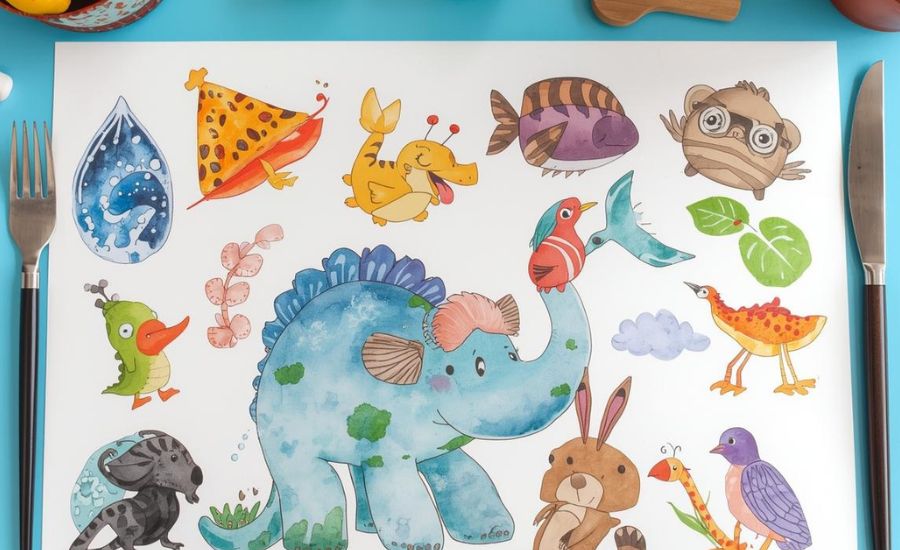
Activity placemats are a parent’s secret weapon for keeping kids entertained during meals, and they’re surprisingly popular sellers. These printables work anywhere, at home during breakfast, at restaurants while waiting for food, or laminated for road trips and plane rides.
Parents can print them on regular paper for one-time use, or laminate them and pair with dry-erase markers for endless reuse.
When it comes to themes, stick with what kids already love. Alphabet and number learning placemats are evergreen sellers. Seasonal themes such as Christmas, Halloween, and back-to-school perform well at their respective times.
Why it’s profitable: They solve a real problem (keeping kids busy during meals), parents see immediate value, and the reusable format justifies higher price points. Plus, they make great last-minute digital gifts.
Target age: 3-8 years
Potential earnings: $800 – $3,000+ monthly
9. Busy Books & Quiet Books
Every parent knows the struggle of keeping toddlers and preschoolers quietly occupied, especially during church services, doctor’s appointments, or long car rides. That’s why busy books and quiet books are absolute gold in the printables market.
Traditional fabric busy books can cost $30-50 and take hours to make. Printable versions offer the same concept, hands-on, quiet activities, at a fraction of the cost. Parents can print, laminate, and bind them at home for immediate use.
The key to designing successful busy books is to keep activities simple yet engaging. Think matching games, color sorting, shape puzzles, tracing practice, and simple counting activities.
Why it’s profitable: Parents desperately need quiet-time solutions, and they’re willing to pay for them. These books also work well as higher-priced bundles because they include multiple activity pages in a single product.
Target age: 2-5 years
Potential earnings: $1,500 – $5,000+ monthly
10. Kids’ Educational Games (Printable)
When learning feels like playing, kids actually want to do it. That’s why printable educational games are among the best-selling products in this niche, they integrate learning into fun, and parents love that.
The game format options are endless. Memory card games help with concentration and recall. Matching games reinforce vocabulary, numbers, or patterns. Printable board games combine learning objectives with competitive fun that the whole family can enjoy.
For subjects, focus on what kids need to practice most. Math games that make multiplication or addition fun consistently sell well. Science-themed games about animals, plants, or the solar system appeal to curious young minds.
Why it’s profitable: Games have high perceived value and can command premium prices. Parents view them as investments in their children’s learning, and teachers purchase them for classroom rewards and learning centers.
Target age: 4-10 years
Potential earnings: $1,800 – $6,000+ monthly
11. Flashcards for Kids
Despite all the fancy apps and digital learning tools out there, parents and teachers still reach for good old-fashioned flashcards because they work.
Alphabet flashcards, number flashcards, basic shapes, and sight words are perpetual best-sellers. But you can also branch into more specialized topics like emotions and feelings, colors in different languages, phonics blends, or even science concepts like parts of a plant.
To maximize profits, bundle your flashcards strategically. Instead of selling just alphabet cards, create a Complete Early Learning Flashcard Bundle with alphabet, numbers, shapes, and colors. Or offer grade-level bundles like “Kindergarten Essentials” or “1st Grade Reading Pack.”
Why it’s profitable: Low production effort once you have a template, evergreen demand, and endless bundling possibilities. Teachers often purchase multiple sets for their classrooms, resulting in bulk purchases.
Target age: 2-8 years
Potential earnings: $1,200 – $4,500+ monthly
12. Kids’ Daily Routine Charts
If there’s one thing parents are constantly battling, it’s getting kids to stick to routines. Daily routine charts are lifesavers for parents trying to make mornings less chaotic and bedtimes less of a negotiation.
These charts work because they provide children with visual cues and a sense of ownership over their day. Morning routine charts help children remember to brush teeth, get dressed, eat breakfast, and pack their backpack without constant reminders.
Bedtime charts guide children through bath time, pajamas, toothbrushing, and story time, making the wind-down process smoother for everyone involved.
Why it’s profitable: These printables directly solve a pain point that every parent experiences. They’re practical and functional, and used daily, so parents appreciate their value and are willing to pay for well-designed options.
Target age: 2-10 years
Potential earnings: $1,000 – $3,500+ monthly
13. Kids Reading Logs & Book Trackers
Getting kids to read more is a priority for parents and teachers alike, and reading logs make it happen by turning reading into a trackable, rewarding activity.
Reading logs serves a dual purpose in both school and home settings. Teachers assign them as homework to encourage daily reading practice and parent involvement. At home, parents use them to motivate reluctant readers or track progress toward reading goals.
Seasonal reading challenges are where you can really capitalize on timing. Summer reading logs fly off the shelves in May and June when schools end and parents worry about the “summer slide.” Winter break reading challenges, back-to-school reading goals, and holiday-themed trackers all create natural buying windows throughout the year.
Why it’s profitable: Year-round relevance with seasonal spikes, strong demand from both parents and teachers, and the ability to create themed variations that appeal to different interests and times of year.
Target age: 5-12 years
Potential earnings: $900 – $3,000+ monthly

14. Kids Activity Workbooks
Mini activity workbooks hit the sweet spot between comprehensive learning resources and manageable printables. Parents appreciate them because they feel like they’re getting a complete product, not just scattered worksheets, and they’re perfectly sized for home printing.
The best-performing workbook topics tap into what keeps kids genuinely engaged. Themed workbooks around dinosaurs, space, ocean life, or unicorns combine learning with subjects kids are already excited about. Seasonal workbooks for holidays or summer vacation provide timely, ready-to-go activities when parents need them most.
A collection of 20-30 pages bound together as a workbook feels more substantial and professional than individual worksheets, even if the content is similar.
Why it’s profitable: Higher price points, stronger perceived value, and the all-in-one format appeal to parents who want complete solutions. Workbooks also make excellent gifts.
Target age: 3-8 years
Potential earnings: $1,500 – $5,000+ monthly
15. Party & Holiday Printables for Kids
Party and holiday printables are where you can see explosive sales during peak seasons. Parents planning birthday parties or holiday celebrations are actively searching for affordable, instant-download activities and decorations, and they need them fast.
Birthday party printables are year-round sellers with endless possibilities. Scavenger hunts, bingo games, coloring sheets, pin the tail style games, and party favor tags are all popular. Themed party packs around popular kids’ interests, like superheroes, princesses, or animals, perform exceptionally well.
Holiday-specific printables create predictable sales spikes throughout the year. Halloween activity packs, Christmas advent calendars, Valentine’s Day card printables, Easter egg hunt clues, and back-to-school printables all have their moments to shine.
Why it’s profitable: Urgency drives purchases (parents need party activities NOW), seasonal items command premium prices, and if you build a catalog of holiday printables, you create recurring revenue streams as those holidays roll around each year.
Target age: 3-12 years
Potential earnings: $2,000 – $7,000+ monthly (with seasonal peaks)
16. Kids Journals & Writing Prompts
Kids’ journals and writing prompts tap into something parents deeply value, helping their children express themselves, process emotions, and develop writing skills. These printables are about more than just education, they’re tools for creativity and connection.
The key to successful journal printables is making prompts age-appropriate and engaging. For younger kids (5-7), simple prompts with drawing space work best: “
- My favorite thing about today was…or
- If I could be any animal, I would be…
Older children (8-12) respond well to deeper prompts about friendships, goals, gratitude, or imaginative scenarios.
Evening journal time becomes a ritual where kids share their thoughts and parents get insight into their world. Therapists and counselors also recommend journaling for emotional regulation, which adds another layer of value that justifies premium pricing.
Why it’s profitable: These printables serve multiple purposes (creativity, emotional health, writing practice), appeal to conscious parents investing in their child’s development, and work well as higher-priced products since they’re substantial and meaningful.
Target age: 5-14 years
Potential earnings: $1,200 – $4,000+ monthly
17. Kids Screen-Free Activity Bundles
In a world where kids are glued to tablets and phones, screen-free has become one of the most powerful selling points in the kids’ printables market. Parents are actively seeking alternatives to screen time and are willing to pay a premium for bundles that deliver.
A winning screen-free bundle should offer variety and keep kids busy for extended periods. Mix in coloring pages, puzzles, mazes, dot-to-dots, word searches, simple craft templates, activity sheets, and interactive games. The goal is to create a resource parents can pull out during long car rides, rainy days, or quiet time at home.
The positioning here is everything. Market these bundles as parent-approved, educational alternatives that reduce screen dependency while keeping kids engaged. Use language like 100+ hours of screen-free fun or Reduce screen time without the tantrums. Parents feel good about these purchases because they align with their values and parenting goals, which makes them less price-sensitive.
Target age: 3-10 years
Potential earnings: $2,000 – $6,000+ monthly
Best Platforms to Sell Kids Digital Printables
Now that you know what to create, let’s talk about where to sell it. Choosing the right platform can make or break your printables business, and honestly, you don’t have to pick just one.
Etsy
Etsy is the go-to marketplace for digital printables, and for good reason. The platform handles payments, provides seller protection, and makes it incredibly easy to set up your shop. The downside? You’re competing with thousands of other sellers, and Etsy takes a cut of each sale plus listing fees. But for beginners, it’s hard to beat the exposure and ease of use.
Teachers Pay Teachers
If your printables have any educational angle, Teachers Pay Teachers (TpT) is a goldmine. This platform is where teachers go to find classroom resources, and they’re willing to pay for quality materials. The audience is highly targeted, and by creating teacher-friendly resources with clear learning objectives, you can build a loyal following. TpT takes a commission, but the trade-off is access to an audience actively looking to spend money on educational content.
Your Own Blog or Website
Running your own site gives you complete control and keeps 100% of your profits. You can build an email list, establish your brand, and create a sustainable long-term business without platform fees eating into your earnings. The challenge is driving your own traffic through SEO, social media, or paid ads. It takes more work upfront, but the payoff is complete ownership of your customer relationships and data.
Gumroad or Shopify
These platforms offer a middle ground between marketplace exposure and owning your business. Gumroad is dead simple to set up and perfect for creators who want to sell without managing a full website. Shopify gives you more control and customization options, plus the ability to scale into a full e-commerce store. Both handle payments and digital delivery seamlessly, letting you focus on creating while they handle the technical stuff.
24 Boring Business Ideas That Actually Make Money
23 Business Ideas That Are Always Successful
How to Price Kids Digital Printables for Maximum Profit
Pricing can feel tricky, but there’s a formula that works. Your pricing strategy should guide customers from low-cost entry points to premium bundles that maximize your earnings.
Single Printable vs. Bundles
Single worksheets or activity pages typically sell for $2-5. They’re impulse buys that get customers in the door with minimal risk. Bundles, however, are where the real money lives. A pack of 10-20 related printables can command $8-15, while comprehensive bundles with 50+ pages easily justify $20-30 prices. The per-page cost drops for customers, but your per-transaction profit skyrockets.
Entry Pricing vs. Premium Bundles
Use lower-priced items ($3-7) as entry products to attract first-time buyers and build trust. Once they see your quality, they’ll come back for premium bundles. Your high-ticket items ($25-50) should be your most comprehensive packs, think complete grade-level curricula, year-long planners, or mega activity bundles.
Upselling Strategies That Work
After someone purchases a single product, immediately offer them a bundle that includes it at a discount. Create product tiers: good ($5), better ($12), best ($25). Show customers they’re getting more value by bundling up.
Tips to Make Kids’ Digital Printables Sell Faster
Creating great printables is only half the battle. Getting them in front of buyers and convincing them to purchase requires strategy.
Design Simplicity and Clarity
Parents and teachers want printables they can use immediately without confusion. Keep designs clean, instructions clear, and layouts intuitive. Avoid cluttered pages or overly complex graphics that distract from the learning objective. Professional doesn’t mean fancy—it means functional and easy to understand at a glance.
Age-Specific Targeting
Always specify the age range or grade level in your product titles and descriptions. Parents search specifically for preschool worksheets or 2nd-grade math, not generic kids’ activities. The more specific you are about who the printable is for, the faster you’ll convert browsers into buyers who know it’s exactly what they need.
SEO Keywords Parents Actually Search
Think like a parent typing into a search bar at 9 PM. They’re searching for “free printable alphabet worksheets,” “preschool activities for 3 year olds,” or “kindergarten math worksheets.” Use these exact phrases in your titles, tags, and descriptions.
Creating Bundles and Collections
Bundles sell faster than individual items because they offer greater value and address multiple needs in one purchase. Group related printables into themed collections, grade-level packs, or seasonal bundles.
18 Ways to Make Money with Artificial Intelligence
23 Ways Make Money Without A Degree: Proven Income Strategies For Career Success
15 Easy Passive Income Ideas for Steady Financial Growth
25 Best Skills to Learn to Make Money Online for Income growth