
You might think you’re just cooking dinner. Just trying new recipes. Just packing school lunches. Just baking on weekends. But here’s the truth: your kitchen skills are more valuable than you think. You can make money from your cooking skills.
If you can meal prep efficiently, stretch ingredients creatively, bake crowd-pleasing desserts, or recreate restaurant-style meals at home, you already have a skill people are willing to pay for. In today’s world, where convenience, content, and community drive buying decisions, cooking isn’t just a life skill. It’s a monetizable asset.
The meals you casually make could become:
- A paid service
- A digital product
- A content channel
- A side hustle
- Or even a full-time business
And you don’t need to be a professional chef to make that happen.
Disclaimer: This post contains affiliate links, meaning that if you click through my link and purchase, I may be compensated. For full disclosure, read here
If you are interested in making instant money, you can sign up with a few apps and websites here.
Survey Junkie: This is one of my favorite survey sites. It has got a spotless interface, and the pay rate is reasonable. Sign up with Survey Junkie here
Swagbucks: Swagbucks is one of the oldest companies that provide you surveys and earn points for other things. Swagbucks is another right place to make money for surveys and make money by watching videos and shopping. Sign up with Swagbucks here
PineCone Research can sign up with Pinecone Research to earn extra dollars to increase your savings. Sign up with Pinecone Research here
Inbox Dollars: Sign up with Inbox Dollars and get paid for doing surveys, reading emails, shopping online, and many more tasks. Sign up with Inbox Dollars to get your bonus.
Why Cooking Is a Profitable Skill in Today’s Creator & Side-Hustle Economy
We’re living in the creator economy, where everyday people are turning practical skills into income streams. You don’t need a restaurant. You don’t need culinary school. And you definitely don’t need a massive budget.
Here’s why cooking is especially profitable right now:
1. People are busy.
Families want convenient, homemade-style meals without spending hours in the kitchen. That creates demand for meal prep services, freezer meals, and small-batch catering.
2. People crave authenticity.
Home cooks often feel more relatable than celebrity chefs. Audiences connect with real kitchens, real budgets, and real life.
3. Food content never goes out of style.
Recipes, cooking hacks, budget meals, and baking tutorials perform incredibly well on platforms like Pinterest, YouTube, and Instagram.
4. Low startup cost.
Unlike many businesses, you already own most of the tools you need. Your stove. Your oven. Your skills.
In a world where people are monetizing hobbies, cooking stands out because it solves a daily problem: people need to eat. And they’re willing to pay for convenience, inspiration, and expertise.
11 Best Ways To Make Money From Your Cooking Skills
Let us start with the 11 best ways to make money from youe cooking skills. From creating eBooks, foodtruck, catering, there are a lot of opttions to earn an income from food related businesses.
1. Start a Home-Based Catering Business
If you can cook for 10 people without panicking, you can start a small catering business.
Not the giant banquet-hall, 300-guest type. Not the high-pressure restaurant model.
We’re talking about modern, small-scale catering, the kind that fits perfectly into today’s side-hustle economy.
Types of Events to Target
When you’re starting, go where the low-pressure money is.
Here are beginner-friendly event types:
1. Birthday Parties
- Kids’ birthday food trays
- Adult milestone birthdays
- Backyard BBQ-style catering
These events usually have manageable guest lists and flexible expectations.
2. Office Lunches
- Team appreciation lunches
- Staff training days
- Small corporate meetings
Offices love dependable vendors. Once you land one company, repeat orders are common.
3. Micro-Weddings
Small weddings (20–50 guests) are booming. Couples want:
- Intimate
- Budget-conscious
- Personalized
You can offer buffet-style or family-style service without the complexity of large wedding operations.
4. Baby Showers & Bridal Showers
These are perfect for:
- Grazing tables
- Dessert tables
- Brunch-style catering
They’re visually driven, which is great for marketing photos. Start with 1–2 event types and master them before expanding.
Licenses, Pricing & Menu Structure
Before you sell your first tray of food, handle the fundamentals.
1. Licenses & Legal Requirements
Requirements vary by country and state (especially in Australia and the U.S.), but typically include:
- Food handling certification
- Local council approval or cottage food license
- Public liability insurance
- Business registration
Don’t skip this step. Getting shut down after your first event will cost you more than doing it right from the start.
2. Pricing the Right Way
Beginner mistake: undercharging. Your pricing must include:
- Ingredients
- Packaging
- Gas/electricity
- Your time
- Transportation
- Profit
A simple starting formula:
Ingredient cost × 2.5 to 3 = Minimum selling price
Then adjust based on your market. Never price based on “what I would pay.” Price based on what makes the business sustainable.
3. Smart Menu Structure
Keep your first menu simple:
- 3 mains
- 3 sides
- 2 dessert options
- 1 set package price per person
Example:
- Standard Package: $28 per person
- Premium Package: $38 per person
Set packages make decision-making easier for clients and production easier for you.
How to Land Your First Paying Clients
Your first clients won’t come from a fancy website. They’ll come from visibility and trust.
Here’s how to get them:
1. Start With Your Circle
Tell people around you:
- Friends
- School parents
- Church/community groups
- Local Facebook groups
Offer a small launch discount in exchange for photos and testimonials.
2. Use Social Media Strategically
Post regularly on social media:
- Behind-the-scenes prep
- Before-and-after table setups
- Close-up food shots
- Client feedback
Consistency builds credibility.
3. Partner With Event Vendor
Reach out to:
- Party decorators
- Event planners
- Balloon stylists
- Wedding photographers
They already have clients. Offer referral commissions if needed.
Profit Potential
Let’s talk numbers realistically. For a 30-guest event:
- Charge $30 per person
- Total revenue = $900
If your food and operating cost is around $400–$500, you could net $300–$400 from one event. Do 4 events per month? That’s $1,200–$1,600 extra income.
14 Ways to Get Free Stuff on TEMU-Tips for Freebies
2. Sell Homemade Baked Goods
If there’s one food category that consistently sells, even in tight economies, it’s baked goods. People might skip fancy dinners. They won’t skip birthday cakes, holiday cookies, or comfort desserts.
And the best part? Baking is one of the easiest food businesses to start from home because:
- Recipes are repeatable
- Margins can be high
- Production can be batch-based
- Customers reorder frequently
Here are baked goods that consistently perform well:
1. Classic Cookies
- Chocolate chip
- Triple chocolate
- Red velvet
- Stuffed cookies
Cookies are easy to batch, freeze, and sell in boxes. They’re also great for corporate gifting and holidays.
2. Custom Celebration Cakes
Birthdays, anniversaries, and baby showers never stop happening. Even simple buttercream cakes with clean designs can command strong prices. You don’t need extreme fondant skills to make money.
Minimalist cakes are trending, and they’re easier to produce.
3. Brownie & Dessert Boxes
Dessert boxes are high-profit because:
- They feel premium
- They photograph beautifully
- Customers buy them as gifts
You can mix brownies, blondies, cookies, and mini slices into one “treat box.”
4. Cupcakes
Perfect for:
- School events
- Office celebrations
- Baby showers
Offer themed packs (6 or 12). Keep flavors limited to simplify production.
3. Become a Personal Chef to Make Money from Your Cooking Skills
If you love cooking but don’t want the chaos of events or large orders, becoming a personal chef is one of the smartest moves you can make. This isn’t restaurant work. It’s not catering for 100 guests. It’s focused, personalized, and relationship-based.
A personal chef provides customized meals for individual clients or families on a regular basis.
That usually includes:
- Planning a weekly or biweekly menu
- Grocery shopping
- Cooking multiple meals in one session
- Portioning and labeling dishes
- Storing meals in the client’s fridge (or delivering them ready-to-go)
Some chefs cook inside the client’s home. Others cook from their own licensed kitchen and deliver.
But here’s the key difference, you’re not just cooking. You’re solving a lifestyle problem.
Your service saves clients:
- Time
- Mental energy
- Decision fatigue
- Unhealthy last-minute takeout spending
And that’s incredibly valuable.
Who Hires Personal Chefs
Personal chef clients aren’t random. They usually fall into clear categories.
1. Busy Professionals
- Executives
- Business owners
- Medical professionals
- Dual-income couples
They make good money, but they don’t have time to cook. Convenience matters more than cost.
2. Families
Many families want:
- Healthier dinners
- Less daily kitchen stress
- Help managing picky eaters
A personal chef can prepare 4–5 dinners in a single session, making the week run more smoothly for everyone.
3. Elderly Clients
Older adults often:
- Struggle with grocery shopping
- Can’t stand for long cooking sessions
- Need dietary-specific meals
Families are often willing to pay well to ensure their loved ones are eating properly.
Pricing is typically structured per session or per week rather than per dish. Many personal chefs charge a flat cooking fee (for example, $300–$600 per weekly session, depending on location and menu complexity) plus the cost of groceries.
4. Teach Online Cooking Classes
If you enjoy explaining recipes, sharing tips, or showing others how you cook, online cooking classes can turn your knowledge into income, without leaving your kitchen.
You don’t need a culinary degree.
You don’t need a studio setup.
You just need skill, structure, and the confidence to teach what you already know. Online cooking classes have exploded in popularity for a few simple reasons.
First, people want practical skills. Groceries are expensive, eating out costs more than ever, and families want to cook smarter at home. Learning how to meal prep, bake bread, or cook authentic cultural dishes is now seen as a valuable life skill.
Second, convenience wins. Instead of attending in-person workshops, people can join a live class from their own kitchen. They cook along with you in real time, ask questions, and rewatch recordings later.
Third, niche learning is thriving. You don’t have to teach “everything about cooking.” You can specialize in:
- Budget-friendly family meals
- High-protein meal prep
- Vegan or gluten-free cooking
- Cultural cuisine
- Baking basics for beginners
Specific topics attract motivated students who are willing to pay.
The creator economy has made it normal to learn from everyday experts, not just celebrity chefs.
Platforms You Can Use to Teach
The best part? You don’t need complicated tech. Here are practical ways to start:
1. Live Classes on Zoom
2. Course Platforms Like Skillshare
3. Social Media Live Sessions
You can also teach through:
- Instagram Live
- Facebook Live
- YouTube Live
Start free to build an audience. Then move to paid workshops once trust is established.
5. Start a Food Blog
Starting a food blog is one of the most versatile ways to monetize your love of cooking. Unlike physical products, blogging allows you to turn your recipes, tips, and food experiences into a scalable income stream that grows over time. With the right strategy, a single blog can generate multiple revenue streams while also establishing you as a trusted voice in the food space.
How Food Blogging Makes Money
Food blogs make money in several ways, often simultaneously:
- Advertisements – Display ads (via platforms like Google AdSense) earn income based on page views and clicks.
- Affiliate Marketing – Promote kitchen tools, cookbooks, or meal delivery services and earn a commission for every sale made through your link.
- Sponsored Content – Brands pay you to create posts featuring their products or recipes.
- Digital Products – Sell recipe eBooks, cooking guides, or meal planning templates directly to your audience.
- Memberships or Courses – Offer premium content or online cooking lessons for a recurring fee.
The key to maximizing revenue is combining multiple income streams rather than relying on one source.
Choosing a Profitable Niche
Not all food blogs are created equal. To attract a loyal audience and monetize effectively, you need a clear niche. Examples include:
- Budget Meals – Recipes for families or students who want tasty, affordable dishes.
- Vegan or Plant-Based Cooking – Growing demand for plant-based diets makes this niche highly profitable.
- Meal Prep & Healthy Eating – Focus on busy professionals looking to save time while eating healthy.
- Specialty Desserts or Baking – Perfect for visually appealing recipes that do well on Pinterest and Instagram.
- Cultural or Ethnic Cuisine – Showcase unique flavors or traditional recipes from around the world.
A niche helps you stand out, attract a specific audience, and make your blog appealing to brands and advertisers.
6. Launch a YouTube Cooking Channel
If you’re comfortable in the kitchen, video can take your income potential to another level. Photos show the final result. Video shows the process. And process builds trust.
You don’t need a studio kitchen or expensive cameras to start. Many successful cooking channels began with:
- A smartphone
- Natural window light
- A simple tripod
- Clear audio
What matters more than perfection is clarity, personality, and consistency.
Types of Cooking Videos That Perform Well
Not all cooking videos need to be complex. In fact, simple, problem-solving content often performs best.
Here are formats that consistently do well:
1. Step-by-Step Recipe Tutorials
Clear, beginner-friendly recipes with:
- Ingredient measurements on screen
- Visual cooking cues
- Simple explanations
These are evergreen and searchable.
2. Budget & “Cheap Meals” Content
Videos like:
- $10 family dinners
- 5 meals from one grocery shop
- Weekly meal prep under a set budget
These attract consistent search traffic because they solve real financial concerns.
3. Quick & Easy Meals
Busy viewers love:
- 15-minute dinners
- One-pan recipes
- No-bake desserts
- 3-ingredient recipes
Convenience sells.
4. Meal Prep & Batch Cooking
In online classes, show:
- A full weekly prep session
- How to portion meals
- Storage tips
- Reheating methods
This builds credibility and keeps viewers watching longer.
5. Niche or Cultural Cuisin
If you specialize in a specific cuisine or diet (high-protein, vegan, gluten-free, traditional home-style cooking), lean into it.
Specificity attracts the right audience faster than generic content.
Why Video Content Builds Trust Fast
Video creates connection in a way written recipes simply can’t.
When viewers see you:
- Chop ingredients
- Explain substitutions
- Fix mistakes in real time
- Taste and react honestly
They feel like they’re learning from a real person — not just reading instructions.
That transparency builds authority quickly.
It also removes doubt. If someone watches you successfully make fluffy pancakes or a perfectly moist cake, they’re more likely to trust your method and return for more content.
Video also allows you to:
- Show technique clearly
- Demonstrate texture and consistency
- Teach timing visually
- Share personality
And personality is what turns viewers into loyal subscribers.
Types of Cooking Videos That Perform Well
Not all cooking videos need to be complex. In fact, simple, problem-solving content often performs best.
Here are formats that consistently do well:
1. Step-by-Step Recipe Tutorials
2. Budget & “Cheap Meals” Content
3. Quick & Easy Meals
4. Meal Prep & Batch Cooking
This builds credibility and keeps viewers watching longer.
7. Sell Digital Products (Recipes & Meal Plans)
If you want to make money from cooking without constantly cooking, digital products are your smartest move.
No ingredients.
No delivery.
No last-minute orders.
You create it once, and sell it again and again. That’s the power of digital products.
Turning Your Recipes Into Downloadable PDFs
You already have recipes. The only difference between a “free recipe” and a paid product is structure, organization, and presentation. Here’s how to turn your recipes into something sellable:
1. Organize by Theme
Instead of random recipes, group them into a clear result. Fe Examples are :
- 20 High-Protein Dinner Recipes
- 15 Budget-Friendly Family Meals
- 10 Easy One-Pan Weeknight Dinners
- 25 Healthy Lunchbox Ideas
People don’t just buy recipes. They buy solutions.
2. Add Value Beyond Ingredients
Your PDF should include:
- Prep time & cook time
- Nutritional info (if relevant)
- Substitution options
- Storage & reheating tips
- Grocery shopping list
- Portion guidance
The more practical it feels, the more justified the price becomes.
3. Make It Look Professional
You don’t need a graphic design degree. You just need to use these:
- Clean fonts
- Consistent colors
- High-quality food photos
- Clear formatting
Simple, modern layouts instantly increase perceived value.
Creating Themed Meal Plans That Sell
Meal plans often sell better than recipe collections because they remove decision-making.
People are tired of asking:
“What should I cook this week?” You answer that question for them.
Profitable Meal Plan Themes
Focus on outcomes.
1. Weight Loss Meal Plans
- Calorie-controlled
- High-protein
- Balanced macros
- Portion guidance included
Health-focused audiences are highly motivated buyers.
2. Family Dinner Plans
- 5–7 dinners per week
- Kid-friendly
- Budget-conscious
- Simple ingredients
Busy parents love structure.
3. Budget Cooking Plans
- Weekly grocery list
- Cost breakdown
- Bulk ingredient strategy
- Leftover repurposing tips
This niche performs extremely well in uncertain economic times.
4. Meal Prep Plans
- Sunday prep guide
- Storage instructions
- Reheating methods
- Batch cooking timeline
These are perfect for busy professionals.
Pricing & Profit Strategy
Digital products have high profit margins because your cost is time — not ingredients.
Example:
- Sell a $29 meal plan
- Sell 50 copies per month
- That’s $1,450 revenue
- With virtually no ongoing production cost
17 Most Profitable Kids Digital Printables to Sell Online
8. Offer Meal Prep Services To Make Money from Your Cooking Skills
Meal prep services are popular for one simple reason: people are overwhelmed. Between work, school runs, appointments, and everyday responsibilities, cooking from scratch every night feels exhausting.
Busy families love meal prep solutions because they remove daily decision-making. Instead of asking, “What’s for dinner?” five times a week, meals are already prepared, portioned, and ready to heat.
It saves time, reduces stress, cuts down on takeaway spending, and often improves nutrition at the same time. For parents especially, having balanced meals ready in the fridge means fewer last-minute fast-food runs and more predictable routines.
Structuring weekly meal packages keeps your service simple and scalable. Instead of customizing every single order from scratch, offer set packages such as 5 dinners for a family of four, 10 individual lunch portions, or a high-protein weekly prep plan.
Ingredient Sourcing & Cost Control
Profit in meal prep isn’t just about charging more.
It’s about controlling costs.
Here’s where most beginners lose money:
They shop retail for every single order.
Instead, think strategically.
Plan weekly menus around overlapping ingredients. If three meals use roasted chicken, buy in bulk.
If multiple dishes use the same base sauce or carb, streamline it.
This reduces:
- Waste
- Prep time
- Grocery bills
Try to byu Buy from these suppliers to reduce cost:
- Wholesale suppliers
- Local produce markets
- Bulk warehouse stores
Track your cost per portion carefully.
If a meal costs you $6 to produce and you sell it for $9, your margin is too tight.
Standardize your recipes so you know exactly:
- How much protein per container
- How many servings per batch
- What your true cost is
Cost control is what keeps this business sustainable, not just busy.
9. Start a Food Truck or Pop-Up Stall
Starting a food truck or pop-up stall is a bigger leap than home-based cooking — but it can also bring bigger visibility and faster cash flow.
This isn’t a quiet side hustle.
It’s public.
It’s fast-paced.
It’s customer-facing.
So before you fall in love with the idea, let’s break it down practically.
Is This Right for You?
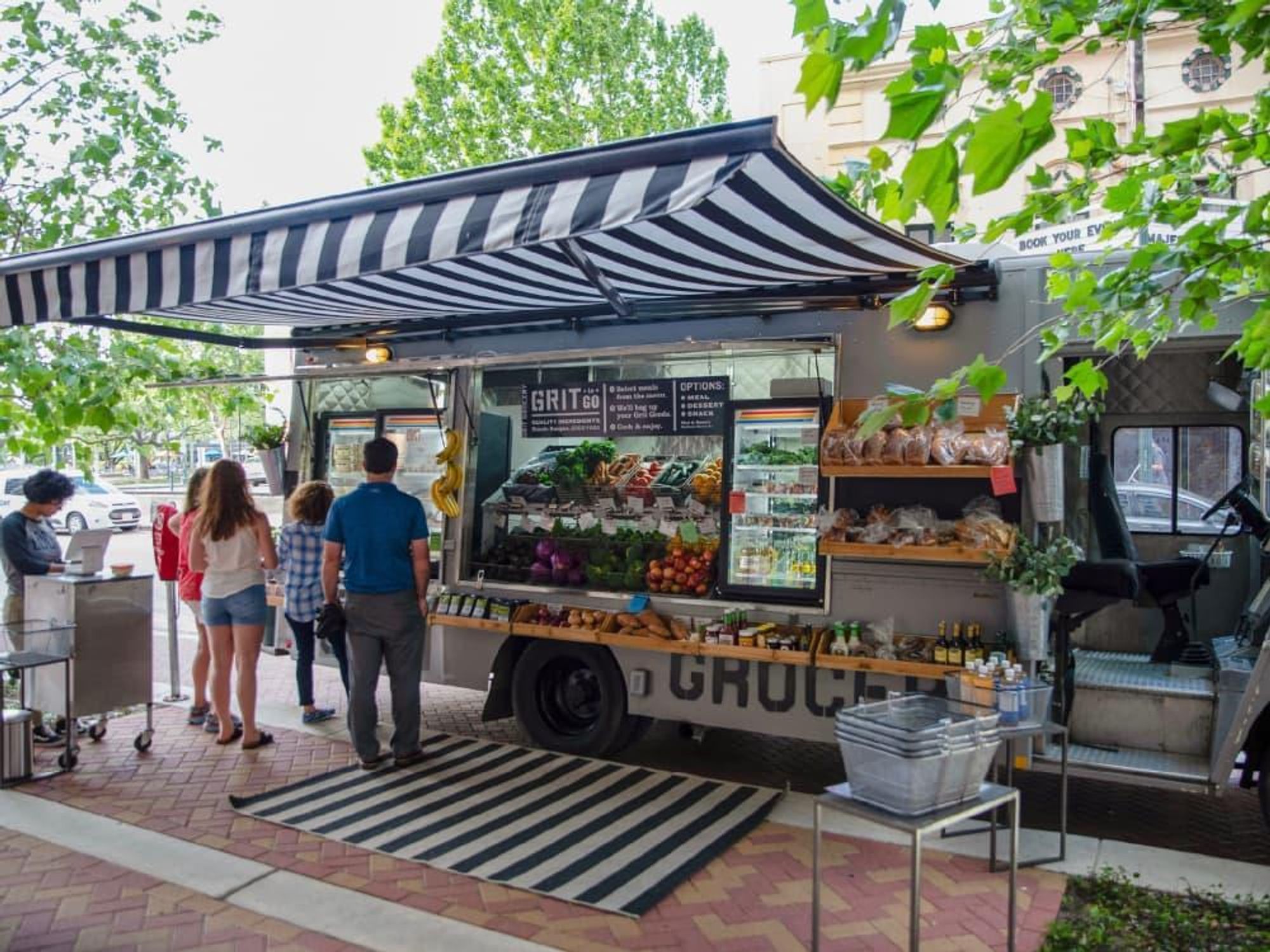
A food truck or pop-up stall is ideal if:
- You enjoy interacting with customers
- You can handle pressure during busy hours
- You’re comfortable working long event days
- You like high-energy environments
Unlike catering or meal prep, this model requires you to show up physically and sell in real time.
You’ll deal with:
- Lines of customers
- Quick turnaround times
- On-the-spot problem solving
- Weather changes (if outdoors)
But here’s the upside:
You get instant feedback.
Instant cash flow.
Instant brand exposure.
If you thrive in busy, social environments, this can be incredibly rewarding. If you prefer quiet kitchen work, other models may suit you better.
Startup Costs & Permits
Let’s talk reality, this model has higher startup costs than most others in this guide.
Depending on your location, you may need:
- Business registration
- Food handling certification
- Health department approval
- Street trading permits
- Public liability insurance
- Commercial kitchen access (in some areas)
A fully equipped food truck can cost significantly more than a simple pop-up stall setup. That’s why many people start with:
- Market stalls
- Festival pop-ups
- Shared food truck rentals
- Event-based setups
Starting small reduces risk. You can test your concept before investing heavily.
24 Boring Business Ideas That Actually Make Money
23 Business Ideas That Are Always Successful
15 Fastest Ways to Make $50000 Per Year: Proven Strategies
10. Create and Sell Cooking eBooks
If you’ve been sharing recipes for a while, whether through social media, meal prep clients, or a small audience, an eBook is one of the smartest ways to package your knowledge into something scalable.
Unlike physical cookbooks, there’s no printing cost.
No inventory.
No shipping.
You create it once. Sell it repeatedly. And if positioned correctly, an eBook doesn’t just make money, it builds authority.
Packaging Your Expertise Into a Focused eBook
The biggest mistake beginners make? Writing a broad, unfocused cookbook.
“100 Random Recipes” is hard to sell.
A specific outcome is easy to sell.
Your eBook should solve one clear problem.
Examples:
- 30 High-Protein Dinners for Busy Women
- 21 Budget Family Meals Under $15
- 14-Day Clean Eating Reset
- 25 Easy Lunchbox Ideas for Kids
- Beginner’s Guide to Indian Home Cooking
See the difference? It’s not just recipes. It’s a transformation.
Structure your eBook like this:
- Introduction (who it’s for + what result they’ll get)
- How to use the book
- Grocery planning tips
- Recipes (clear formatting, prep time, storage tips)
- Bonus section (meal prep guide, substitutions, nutrition notes)
The more organized and actionable it feels, the more valuable it becomes.
Selling on Amazon Kindle or Your Website
There are two strong selling models:
1. Amazon Kindle
Selling through Amazon via Kindle Direct Publishing gives you access to a massive audience.
Pros:
- Built-in traffic
- Credibility
- No need to handle payments
Cons:
- Lower pricing flexibility
- Platform fees
- Less control over customer data
This works well if you want discoverability.
2. Selling on Your Own Website
Selling directly gives you:
- Higher profit margins
- Full pricing control
- Customer email collection
- Ability to bundle products
This works best if you already have:
- A blog
- A YouTube channel
- An email list
- Social media followers
You can even sell both ways, using Amazon for reach and your website for premium bundles.
Upselling Other Food-Related Services to make money from your cooking skills
An eBook should not be your only product.
It should be your entry point. Once someone buys from you, they trust you.
From there, you can upsell:
- Online cooking classes
- Advanced meal plan bundles
- 1-on-1 coaching
- Exclusive membership groups
- Personalized meal prep services
For example:
Someone buys your $19 high-protein meal plan. Then you offer a $79 4-week coaching program.
That’s how small digital products turn into bigger income streams.
1. Monetize Through Social Media Platforms
If you’re already cooking every day, you’re sitting on content.
You don’t need a production team.
You don’t need a studio kitchen.
You need your phone, good lighting, and consistency.
Short-form video has completely changed how food creators make money. What used to require a full blog and professional camera can now start with a 30-second clip.
Let’s break this down strategically.
TikTok, Instagram Reels & Short-Form Food Content to make money from your cooking skills
Platforms like TikTok and Instagram reward fast, engaging, visually satisfying content.
Food performs exceptionally well because it’s:
- Visual
- Relatable
- Shareable
- Problem-solving
Short-form content that works:
- 30-second recipe breakdowns
- Before-and-after meal transformations
- Budget grocery hauls + meal ideas
- “What I cook in a week” series
- Cooking hacks and shortcuts
- Quick voiceover tutorials
The key isn’t complexity. It’s clarity. I heard somebody saying. Attention first, value second. This works very well for short attention span of people these days.
Brand Partnerships & Sponsored Posts
Once you build an audience, even a small but engaged one, brands start paying attention. You don’t need 500,000 followers.
Many brands prefer:
- 5K–50K engaged followers
- Strong comment interaction
- Clear niche positioning
Brands pay for:
- Sponsored recipe videos
- Product placements
- Dedicated posts
- Long-term ambassadorships
The key is alignment. Promote products you actually use. Authenticity protects your long-term credibility.
Affiliate Marketing for Kitchen Tools
Affiliate marketing is one of the easiest entry points. You show what you already use.
Examples:
- Knives
- Air fryers
- Blenders
- Baking trays
- Storage containers
When someone buys through your link, you earn a commission. This works especially well when you:
- Demonstrate the tool in action
- Explain why you like it
- Show real results
You’re not selling. You’re recommending. And recommendations convert when trust is strong.
Building an Engaged Audience
Follower count is vanity.
Engagement is income.
Focus on:
- Replying to comments
- Asking questions in captions
- Creating “saveable” content
- Posting consistently
- Sharing relatable kitchen moments
People follow food creators they feel connected to.
Show:
- Mistakes
- Quick fixes
- Real-life chaos
- Honest reviews
That transparency builds loyalty.
18 Ways to Make Money with Artificial Intelligence
Conclusion
Remember, you don’t need to try all ten methods at once. Start with one. Just one. Choose the option that feels the most realistic for your current season of life , whether that’s selling baked goods on weekends, posting short cooking videos, offering meal prep services, or creating a small digital recipe guide.
Overcomplicating the process is what stops most people before they begin. You don’t need a perfect plan. You need a starting point. Action creates clarity, and momentum builds confidence.
If you stay focused and committed, that value can turn into something much bigger than you imagined.